

BSB2122 | Genetics
Ankylosing spondylitis
GROUP 2
BSB2122 | Genetics
Ankylosing spondylitis
GROUP 2

BSB2122 | Genetics
NAME | STUDENT ID |
NURUL ANIS AMIRA BINTI MOHD TAZRI | SB21002 |
NUR SHAHIRA BINTI RAZALI | SB21009 |
NUR KHAIRUNNISA BINTI AHMAD SABRI | SB21021 |
NUR ANISA BINTI ZULKARNAIN | SB21054 |
NURFADZLINA BINTI FADZLIN | SB21059 |
AINA BINTI ADI SUFIAN CHAN | SB21086 |
RAUDATUL ASYIQIN BINTI SHAMSUL AZHAR | SB21113 |
BSB 2122
GENETICS
PREPARED FOR: DR. HAJAR FAUZAN BIN AHMAD |
GROUP MEMBERS
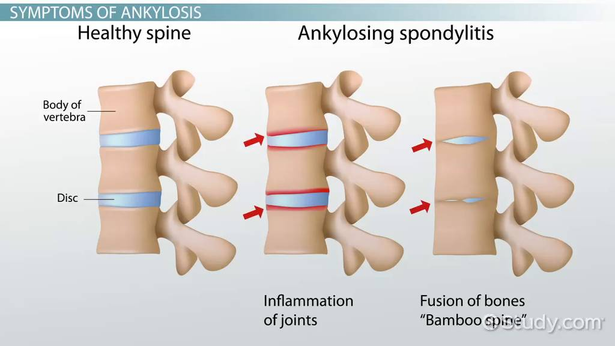
Ankylosing spondylitis is a form of arthritis that causes chronic (long-term) spine inflammation. It is a chronic inflammatory disease that primarily affects the spine and sacroiliac joints. The disease is classified as a type of spondylarthritis, which is a group of diseases characterized by inflammation of the joints and ligaments in the spine.
WHAT IS
Ankylosing Spondylitis?
Symptoms



Worldwide
Asia
Incidence and prevalence

Famous Cases
China's folded BOY
China's folded man

the genetics
The pathogenesis of AS is likely multifactorial and has not been fully elucidated to date.
Genetic factor is believed to play the major role in increasing the chances for an individual to develop AS. Recently, environmental factor are also suspected to play a part in AS.
HLA-b27
90% of AS patients is HLA-B27 positive.
Human Leukocyte Antigen class B gene 27 (HLA-B27) is a complex of genes encode cell-surface proteins responsible for regulation of the immune system. It is the biggest gene studied in association to AS. It is a normal gene and most people having the gene does not develops AS.

IL-17A & il-23
Mutations in the Interleukin-17A (IL-17A) and IL-23 contributes to the polymorphisms of of IL-23 receptor (ILR23) which is related to AS .
ERAP-1
Some variations of ERAP-1 (endoplasmic reticulum aminopeptidase 1) increases the risk of AS when paired with
HLA-B27.
environmental factors
Gut microbiome of AS patients have shown increase and decrease of some bacterial family. It could influence the development of AS.
Diagnosis
Ankylosing Spondylitis (AS) can be diagnosed through the combination of medical history, physical examination, imaging tests and laboratory tests performed by the helps of doctor or health professional.
MEDICAL HISTORY
Evaluation of medical history conducted to trace on any pass health or pain issues which might be related to the previous one.
PHYSICAL EXAMINATION
Examination on patient's movement or joint inspection involving spine, pelvis and including rib stiffness and inflammation by deep breathing.
IMAGING TESTS
X-rays and MRI used to provide the images of internal changes involving brain, spinal cord, bones, joints and tissues of the patient's.
LAB TESTS
Blood test performed to test the presence of HLA-B27, commonly present in significant people with Ankylosing Spondylitis.
SYMPTOMS & CRITERIA ASSESSMENT
Evaluating overall results of tests performed, pain duration, stiffness or related symptoms match the A. S. International Society (ASAS) criteria.
Medical History
Imaging Tests
Laboratory Tests
Physical Examination
Symptoms and Criteria Assessment
This is a sample chart with a sample caption.
Steps in Ankylosing Spondylitis Diagnostic
The spine and sacroiliac joints are the main areas of the body that are affected by ankylosing spondylitis (AS), a chronic inflammatory illness. While there is no known treatment for AS, there are ways to control symptoms, lessen inflammation, and enhance a person's quality of life.
MEDICATIONS
PHYSICAL THERAPY
Possible Treatment

SURGERY
It's crucial to keep in mind that the precise AS treatment plan may change based on the patient, the severity of the ailment, and how well they respond to various medications. Therefore, for an accurate diagnosis and tailored treatment suggestions, it is essential to speak with a healthcare professional like a rheumatologist or orthopedic specialist.



Avoid alcohol
Take calcium and vitamin D
Get exercise daily
Wear good shoes
Practice good postures
Avoid smoking
PREVENTION